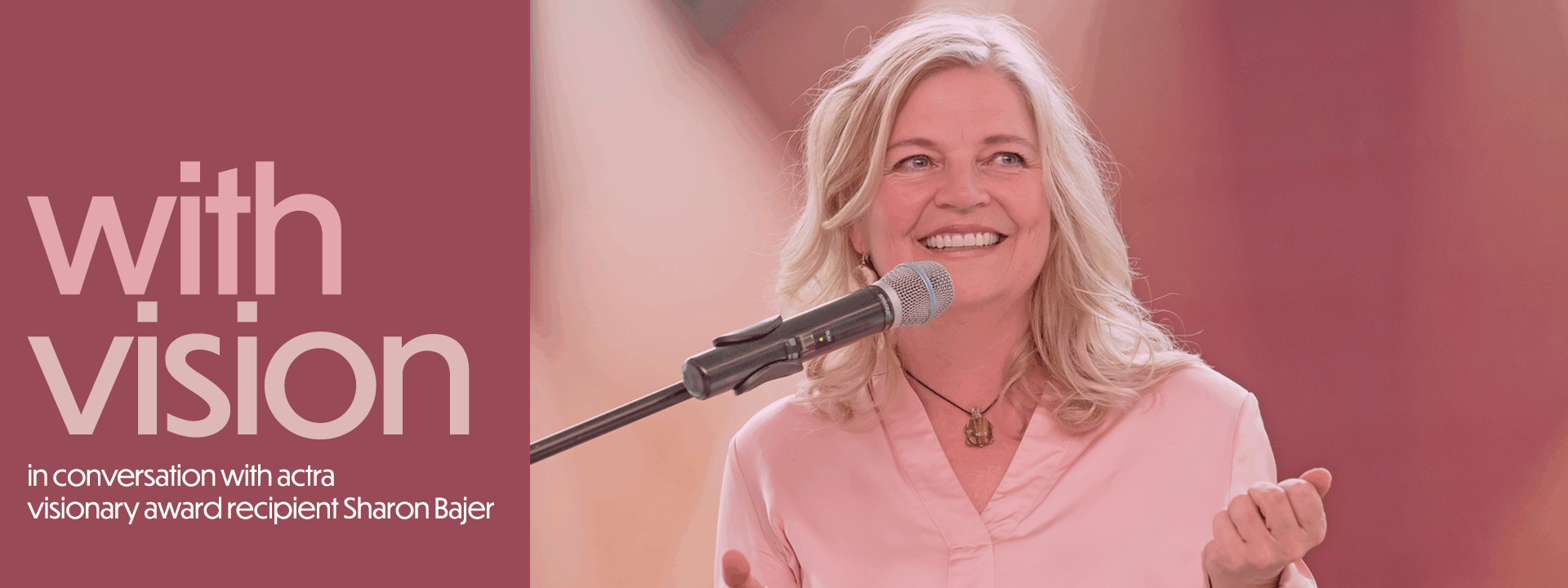
Sharon Bajer, the inaugural recipient of the ACTRA Visionary Award, shares her insights on storytelling, mentorship, safety, and the future of inclusive filmmaking.
With over 30 years in the industry as a performer, writer, and now intimacy coordinator, Sharon Bajer has blazed a trail for safer, more inclusive sets. In this exclusive Q&A, she reflects on the impact of her work, the power of representation, and why joy is central to creativity.
Q: How does it feel to be the first recipient of the ACTRA Visionary Award?
Sharon Bajer: Honestly, I’m still speechless – so thank goodness this is in writing! I’m deeply honoured. The name “Visionary” resonates with me because I’ve always been drawn to strong, forward-thinking women in my work. But I’m standing on the shoulders of incredible pioneer – Tonia Sina, Clare Warden, Alicia Rodis, Siobhan Richardson, Lindsay Somers, Casey Hudecki, and Mackenzie Lawrence. They’ve shaped the field of intimacy work, and I’m inspired by them daily. I’m also grateful to the ACTRA National Women’s Committee and the Manitoba Branch for championing this work locally.
Q: As an intimacy coordinator, you’ve helped transform how sets handle sensitive scenes. What moments stand out as especially meaningful?
Bajer: There are many. On my first job, the lead actress – half-dressed and clearly vulnerable – looked at me and silently said, “I see you. Thank you for being here.” She later asked, “Where were you when I was 18?” That stuck with me. During the pandemic, I worked with actors who hadn’t kissed anyone in two years – real anxiety, even with protocols in place. My training helped them navigate that vulnerability. I’ve also supported directors who felt unsure about handling intimate scenes, and actors who wanted to ensure their scene partners felt safe. And beyond the actors, crew members in hair, makeup, and wardrobe have told me how relieved they are to focus on their jobs, knowing someone’s looking out for the performers.
Q: What further steps should the industry take to support underrepresented communities – especially older women, 2SLGBTQIA+ folks, and racialized artists?
Bajer: It starts with the story. Supporting diverse playwrights and screenwriters from concept through production creates opportunities and fosters empathy. Everyone has a story, and when we hear each other’s, we build understanding. Also, bringing in voices with different life experiences – especially older creators – adds depth to the industry’s ecosystem.
Q: You’ve witnessed the industry evolve over three decades. What progress stands out to you?
Bajer: The biggest shift has been awareness. There’s a real push now to diversify stories – and that affects everything. Safer workspaces, more respect across departments, and more women and marginalized folks in decision-making roles. Sets led by Indigenous creators in Manitoba, for instance, have been some of the most respectful and collaborative environments I’ve worked in. We’re truly starting to see the world through a broader lens.
“I’m not there to interrupt the actor-director dynamic – I’m there to enhance it by facilitating clarity and comfort. It’s always a collaboration.”
Q: How do you balance creative freedom with safety when coordinating intimate scenes?
Bajer: Communication is everything. I start by understanding the director’s vision, then ask the right questions to bring that to life while safeguarding the performers. When actors are informed and their boundaries are respected, they can fully consent and perform with confidence. I’m not there to interrupt the actor-director dynamic – I’m there to enhance it by facilitating clarity and comfort. It’s always a collaboration.
Q: Mentorship seems to be a key part of your work. What advice do you offer to emerging artists who aspire to have a career in the entertainment industry?
Bajer: Don’t put all your eggs in one basket. This industry takes time and resilience, and the rejection can be tough. Instead of growing a thick skin, which I was told to do, I now believe in channeling those emotions into something that brings you joy. Whether it’s writing, teaching, or something completely different – find something that fills your cup while you’re building your career.
Q: Speaking of joy – what brings you the most joy these days?
Bajer: My kids, without a doubt. I became a mom young, and they’ve always grounded me – kept me humble! My partner of 25 years is my rock, and now I have a granddaughter who’s pure joy. Creatively, I still love acting and writing. But really, I find joy in doing a good job – whatever my role on set may be. Life’s too short not to.
Q: What’s on the horizon for you?
Bajer: I spend summers acting and intimacy coordinating, and winters in theatre. Recently, I co-wrote two new plays centered on marginalized characters. Afterlight follows a depressed vampire and a 90-year-old woman with dementia – it’s premiering in Winnipeg this fall. The Outside Inn is about a woman facing cancer and her strained relationship with her trans son. I’m adapting both for screen, hoping to merge my loves of theatre, film, and storytelling. That’s the vision. And I plan to live up to this award!
Sharon Bajer is an award-winning performer, playwright, and the first certified intimacy coordinator in Winnipeg. She has worked on over 75 productions, including The Porter, Little Bird, and Orphan: First Kill and remains a powerful advocate for consent, representation, and storytelling across all mediums.
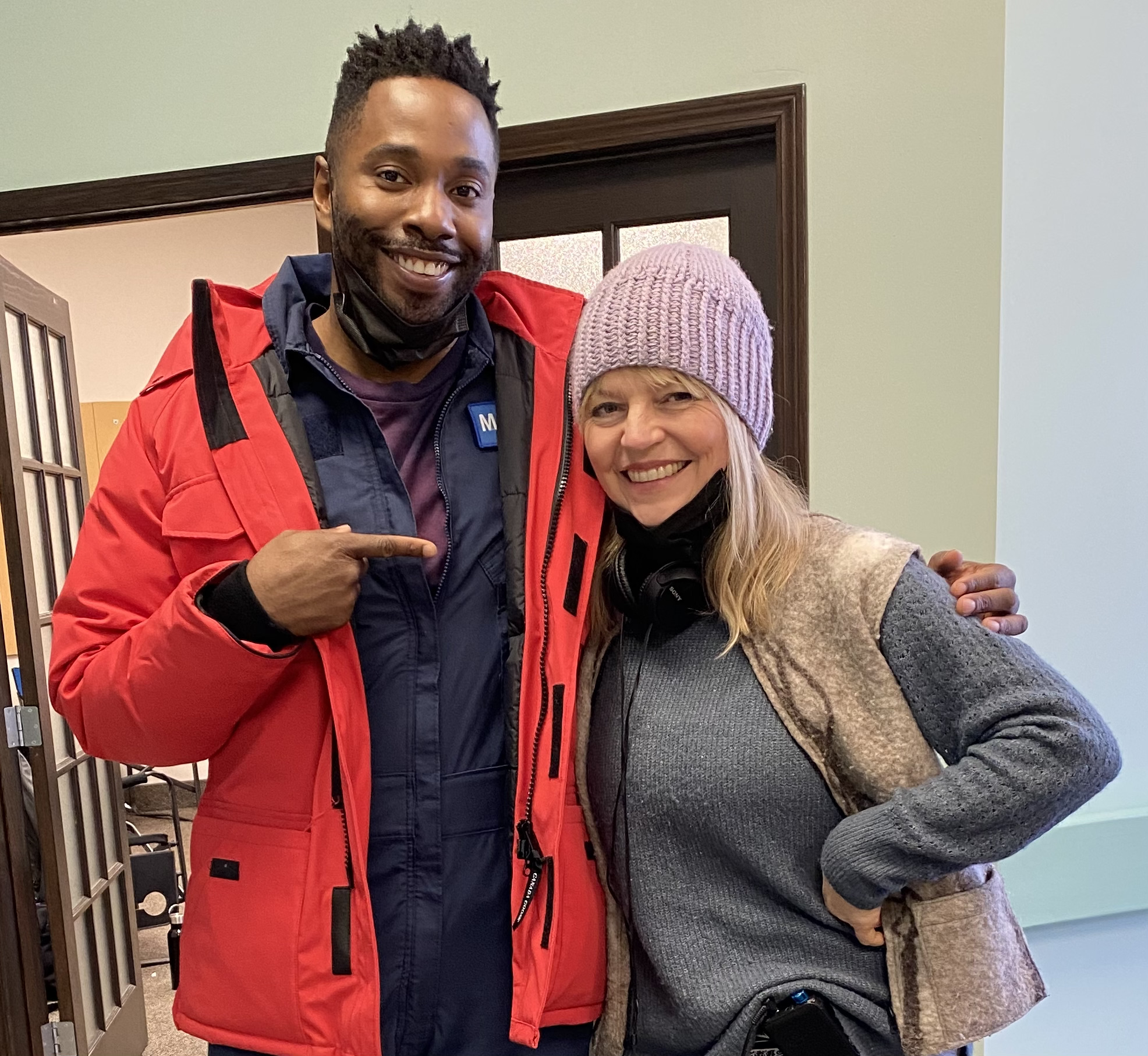
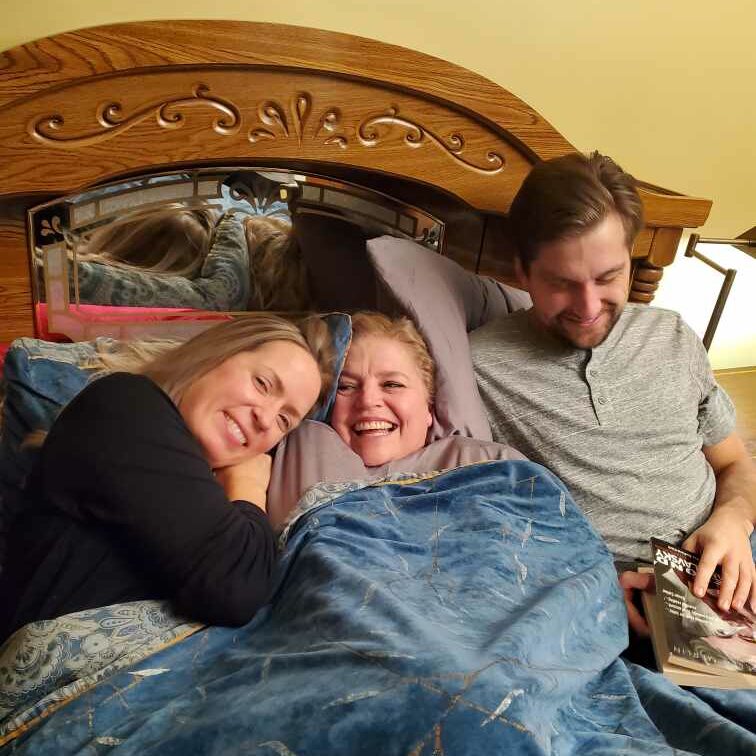
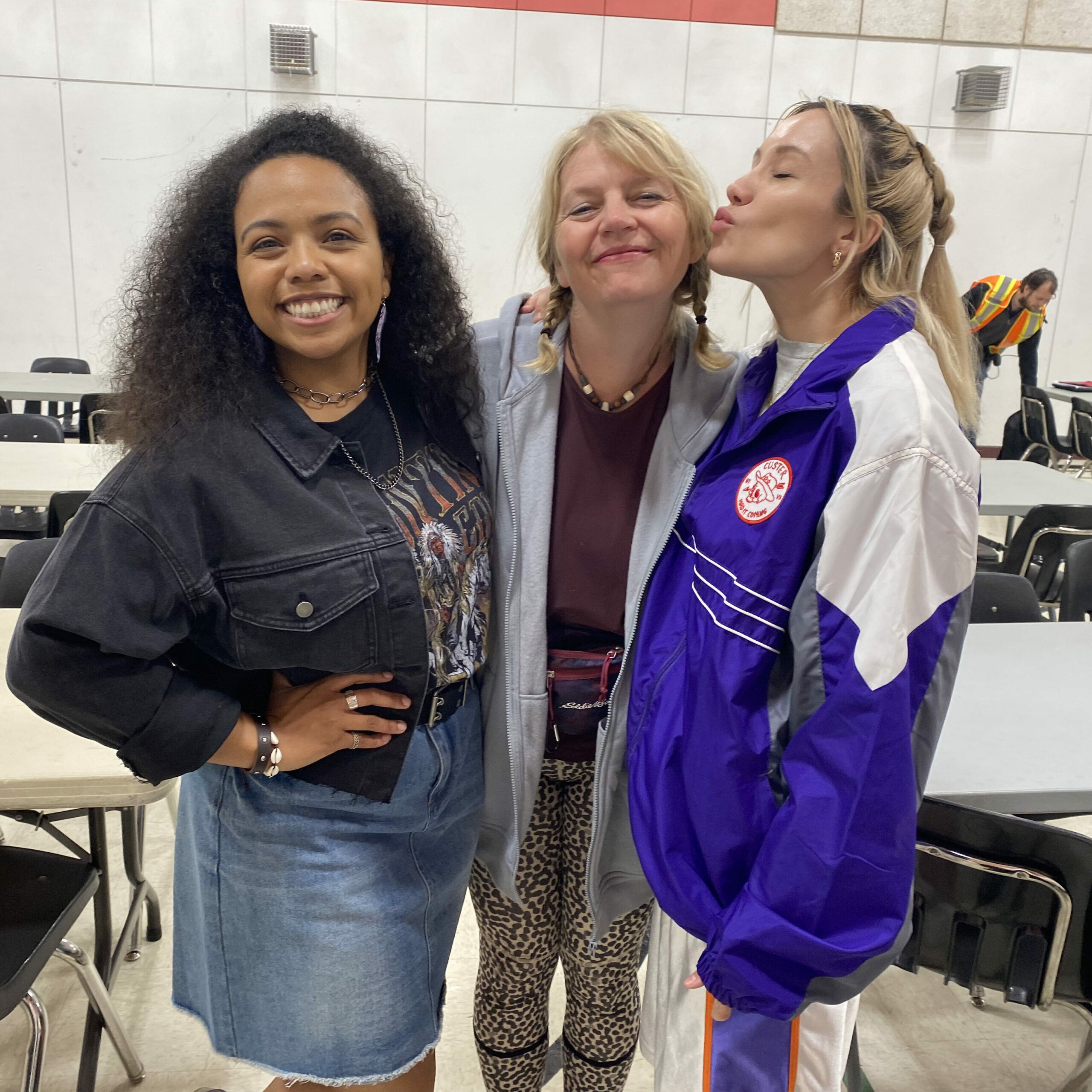
Photos: Sharon with Kheon Clarke on the set of SkyMed season 1; Sharon on set of Cold Open with Krystle Snow and Kristian Jordan; Sharon on set of Don’t Even, with Marion Jacobs and Tess Ray Houston.